Introduction to Cemetery Plot Layouts and Monument Placement
When it comes to honoring loved ones who have passed away, the layout of cemetery plots and the placement of monuments play crucial roles. These elements not only reflect cultural and personal preferences but also adhere to specific regulations and traditions. Understanding the intricacies of cemetery plot layouts and monument placement can help ensure that the final resting place is both respectful and meaningful. This guide will delve into the essentials of cemetery layouts, the significance of monument placement, and how to navigate the complexities involved.
The Essentials of Cemetery Plot Layouts
Cemetery plot layouts are more than just rows of graves. They are carefully planned to accommodate various needs and preferences. Here are some key aspects to consider:
Traditional vs. Modern Layouts
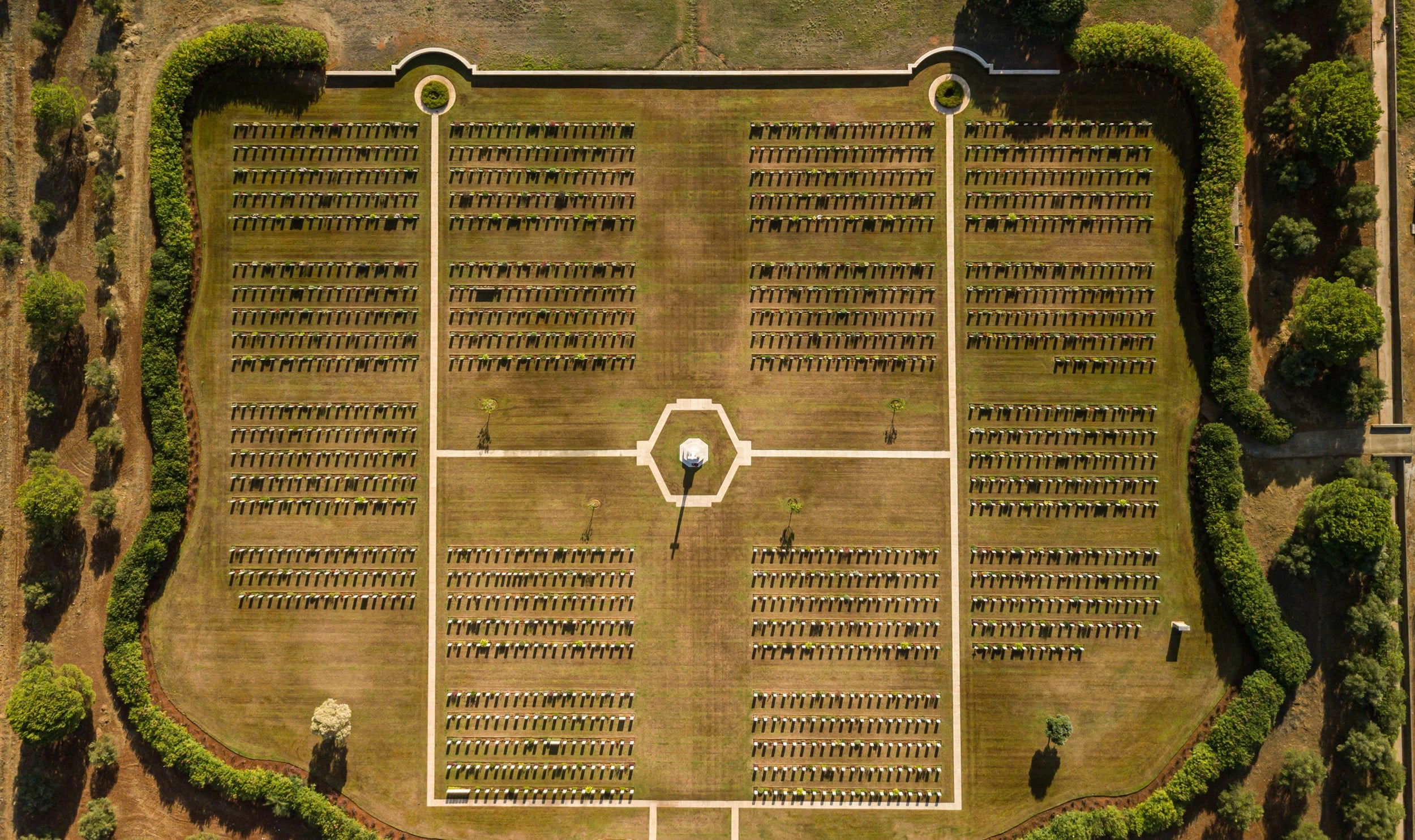
Traditional cemetery layouts often follow a grid pattern, with plots arranged in neat rows. This method is straightforward and maximizes space. However, modern layouts may incorporate more naturalistic designs, including winding paths and landscaped gardens, to create a serene environment.
Sectioning and Zoning
Many cemeteries are divided into sections based on religious, cultural, or family affiliations. Zoning can also include areas for specific types of burials, such as green burials or cremation gardens. Understanding the zoning of a cemetery can help in selecting the right plot.
Plot Sizes and Types
Plots can vary significantly in size and type. Single plots are for individual burials, while companion plots accommodate two people. Family plots allow multiple burials within a designated area. It’s important to choose a plot type that aligns with your family’s needs and traditions.
The Importance of Monument Placement
Monument placement is a significant aspect of cemetery planning. It involves not only the physical placement but also the design and inscription of the monument.
Regulations and Restrictions
Each cemetery has its own set of regulations regarding monument placement. These can include restrictions on size, material, and design. It’s essential to consult with the cemetery administration to ensure compliance with their rules.
Design Considerations
When designing a monument, consider the message you want to convey. The design should reflect the personality and values of the deceased. Popular options include headstones, plaques, and statues, each offering unique ways to commemorate a life. For more insights on monument design, you might find this essential guide for families designing a monument helpful.
Inscription and Personalization
The inscription on a monument is a lasting tribute. It can include names, dates, and personal messages. Some families opt for quotes or religious texts that hold special meaning. Personalizing a monument ensures that it serves as a heartfelt memorial. Explore some heartfelt memorial quotes for cherished grandparents for inspiration.
Navigating the Complexities of Cemetery Planning
Planning for a cemetery plot and monument can be overwhelming, especially during a time of grief. Here are some tips to help navigate the process:
Consulting with Professionals
Funeral directors and cemetery staff can provide valuable guidance. They can help you understand the options available and assist with paperwork and compliance issues.
Budgeting and Cost Considerations
Cemetery plots and monuments can be significant expenses. It’s important to set a budget early in the planning process. Consider all costs, including perpetual care fees and maintenance.
Pre-Planning Options
Many people choose to pre-plan their burial arrangements. This can alleviate stress on family members and ensure that personal wishes are respected. Pre-planning can also lock in current prices, which may be beneficial as costs rise over time.
Conclusion
Understanding cemetery plot layouts and monument placement is vital for creating a respectful and meaningful final resting place. By considering factors such as layout types, monument design, and cemetery regulations, families can make informed decisions that honor their loved ones. Whether planning ahead or making arrangements in the moment, these insights can guide you through the process with confidence and peace of mind.
For those looking to learn more or begin planning, consulting with cemetery professionals or exploring resources online can provide additional support and information. You might also want to explore Dash’s commitment to custom memorial offerings for more personalized options.