Introduction
Designing a monument is more than just choosing a piece of stone and engraving a name. It is a profound way to honor a loved one’s memory, encapsulating their legacy in a tangible form. This guide aims to help families navigate the complexities of this process, ensuring that the monument you design is a fitting tribute that stands the test of time.
Understanding the Importance of Monuments
Monuments serve as a permanent place of remembrance, providing a space for reflection and connection. They are not only markers of a life lived but also a means of preserving history and legacy. Understanding the significance of monuments can help guide decisions in the design process.
The Role of Monuments in Grieving
For many, visiting a monument is an integral part of the grieving process. It offers a physical place to feel close to the departed, providing comfort and closure. Designing a monument that resonates with the family and friends can aid in this healing journey. For more on finding grief support, consider grief support groups.
Preserving Legacy Through Design
A well-designed monument can encapsulate the essence of a person’s life, achievements, and values. This preservation of legacy is crucial, especially for future generations who may not have known the deceased personally.
Key Considerations in Monument Design
When embarking on the journey of designing a monument, several factors need to be considered to ensure that the end result is both meaningful and enduring.
Choosing the Right Material
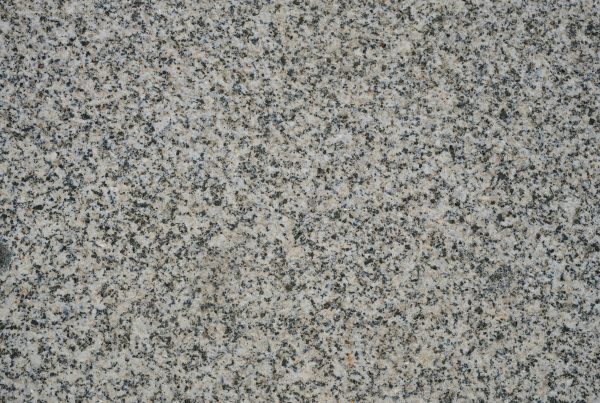
The material of the monument is a significant decision. Common choices include granite, marble, and bronze, each offering different aesthetics and durability. Granite is often favored for its resilience and variety of colors, while marble is prized for its classic beauty. Learn more about granite memorial monuments and their craftsmanship.
Understanding Cemetery Regulations
Before finalizing any design, it is crucial to understand the specific regulations of the cemetery where the monument will be placed. These can include size restrictions, material guidelines, and installation procedures. For more detailed guidance, check out our guide on cemetery monument foundations.
Personalizing the Design
Personalization is key to creating a meaningful monument. Consider elements such as inscriptions, symbols, and images that reflect the personality and values of the deceased. Many families opt for custom engravings or epitaphs that capture the essence of their loved one.
Working with a Monument Designer
Collaborating with a professional monument designer can greatly enhance the design process. These experts bring experience and creativity, helping families translate their vision into reality.
Finding the Right Designer
Choosing a designer who understands your vision and budget is essential. Look for someone with a portfolio that resonates with your aesthetic preferences and who can provide testimonials from previous clients.
The Design Process
The design process typically involves several stages, including initial consultations, sketching, and revisions. Clear communication with the designer is crucial to ensure that the final product aligns with your expectations.
The Cost of Designing a Monument
Understanding the financial aspect is important in the planning process. Costs can vary significantly based on factors such as size, material, and customization options.
Budgeting for a Monument
Set a realistic budget before beginning the design process. Consider all potential costs, including installation and maintenance, to avoid unexpected expenses.
Exploring Financing Options
Some families may explore financing options to manage costs. Many monument companies offer payment plans, making the process more accessible.
Ensuring Longevity and Maintenance
A monument is meant to last for generations, so considering its longevity and maintenance is crucial.
Choosing Durable Materials
As mentioned earlier, granite is a popular choice for its durability. Selecting materials that withstand weather and time will ensure the monument remains a lasting tribute.
Regular Maintenance
Regular cleaning and maintenance can preserve the monument’s appearance and structural integrity. Many families schedule annual cleanings to maintain the monument’s condition.
Conclusion
Designing a monument is a deeply personal and meaningful endeavor. By understanding the importance of monuments, considering key design elements, and working with professionals, families can create a lasting tribute that honors their loved one’s legacy. As you embark on this journey, remember that the monument is not just a marker of a life lived but a celebration of that life’s impact and legacy. Take the time to ensure it reflects the true essence of your loved one and provides a place of solace and remembrance for years to come.