Introduction to Granite Memorial Monuments
Granite memorial monuments stand as timeless tributes to loved ones, capturing the essence of their lives in stone. These monuments are not just markers of remembrance; they are pieces of art crafted with precision and care. The craftsmanship behind granite memorial monuments involves a blend of artistry, technical skill, and a deep respect for tradition. In this article, we will explore the intricate process of creating these enduring symbols, the materials and techniques involved, and the significance they hold in various cultures.
The Significance of Granite in Memorials
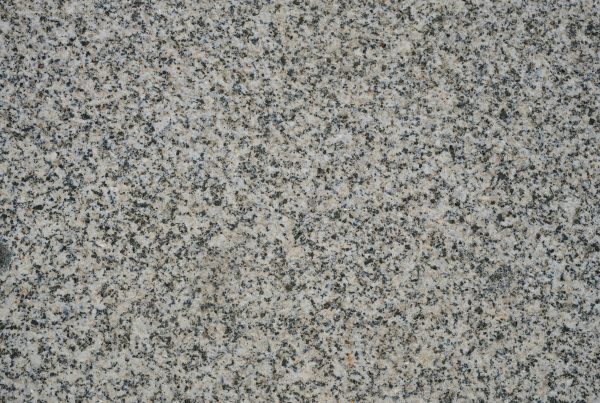
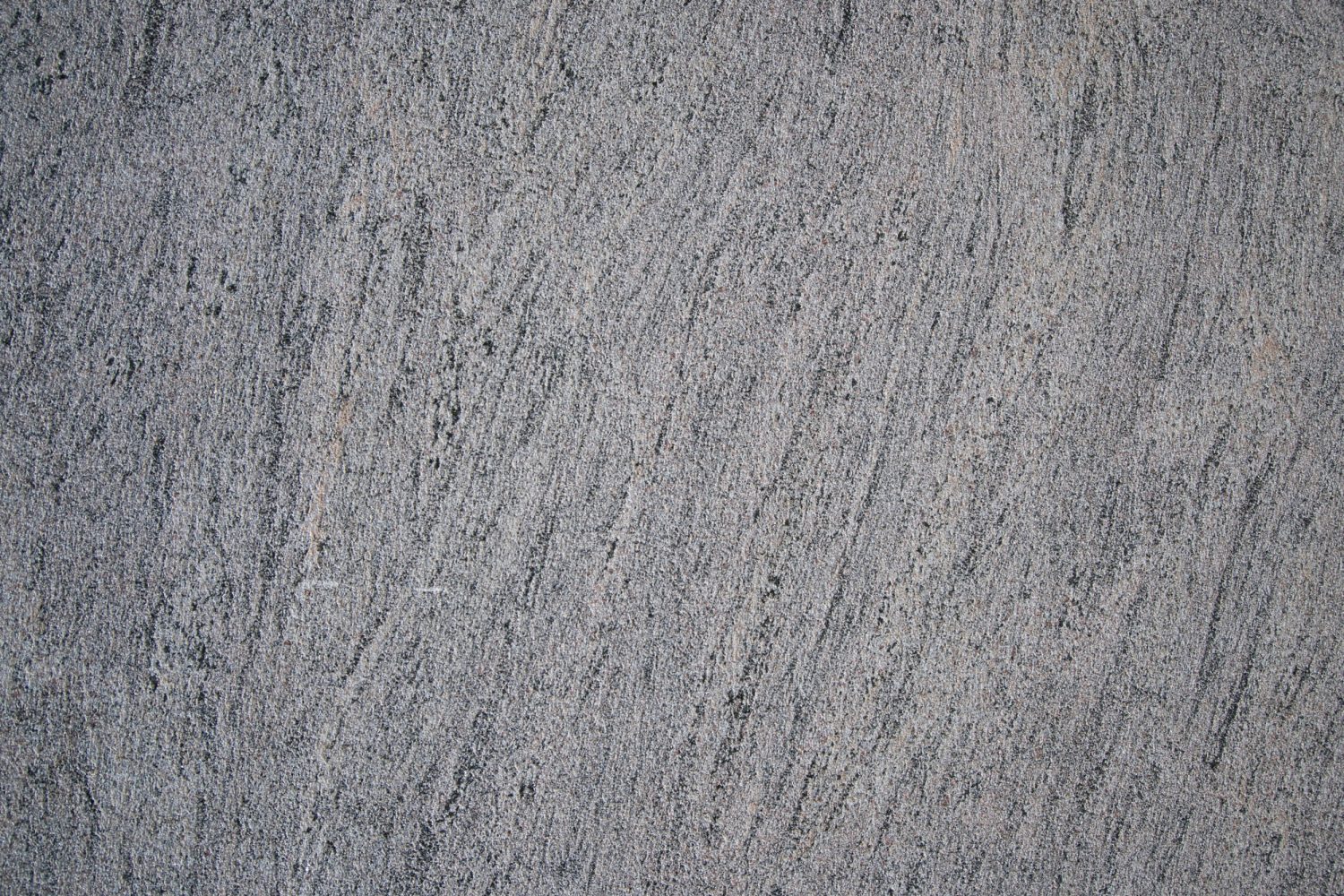
Granite has been a preferred material for memorials for centuries due to its durability and aesthetic appeal. Its natural beauty and resistance to weathering make it an ideal choice for outdoor monuments. Granite comes in a variety of colors and patterns, allowing for personalization and uniqueness in each piece. This stone’s significance goes beyond its physical attributes. It symbolizes strength, permanence, and the enduring nature of memory.
Why Choose Granite?
- Durability: Granite is one of the hardest natural stones, making it resistant to scratches and environmental damage.
- Aesthetic Variety: Available in numerous colors and patterns, granite can be customized to suit personal tastes.
- Symbolic Meaning: Represents strength and permanence, ideal for memorializing loved ones.
The Craftsmanship Behind Creating Granite Memorials
The process of crafting a granite memorial monument is both an art and a science. It begins with selecting the right piece of granite, which involves assessing the stone’s quality, color, and pattern. Skilled artisans then cut and shape the stone using specialized tools. This stage requires precision to ensure that the monument’s dimensions and design are accurately executed. For more on the differences between monuments and grave markers, read this guide.
Designing the Monument
Designing a granite memorial involves close collaboration between the artisan and the client. The design process includes choosing the shape, size, and style of the monument, as well as any engravings or inscriptions. Modern technology, such as computer-aided design (CAD), aids in creating detailed and precise designs that reflect the client’s wishes.
Engraving and Finishing
Engraving is a crucial aspect of the craftsmanship involved in granite memorials. It requires skill and attention to detail to carve inscriptions and images into the stone. Artisans may use traditional hand tools or modern laser engraving techniques to achieve the desired result. The final finishing touches, such as polishing and sealing, enhance the monument’s appearance and protect it from the elements. Learn more about Dash’s commitment to custom memorial offerings here.
Cultural and Historical Perspectives
Granite memorial monuments hold significant cultural and historical value. Different cultures have unique traditions and beliefs surrounding memorialization. For example, in Western cultures, granite headstones are common in cemeteries, while in Asian cultures, granite is often used in elaborate family shrines.
Western Traditions
In Western countries, granite memorials are often simple yet elegant, reflecting the solemnity of remembrance. These monuments may feature religious symbols, personal inscriptions, or artistic engravings that honor the deceased’s life and legacy.
Asian Traditions
In many Asian cultures, granite is used in the construction of ancestral shrines and family memorials. These structures are often elaborate, featuring intricate carvings and designs that reflect cultural beliefs and family heritage. Granite’s durability ensures that these monuments can be passed down through generations.
Environmental Considerations
The environmental impact of quarrying and processing granite is an important consideration in the craftsmanship of memorial monuments. Sustainable practices are increasingly being adopted to minimize the ecological footprint of granite production. This includes responsible quarrying methods, recycling of waste materials, and using eco-friendly sealants and finishes. For more resources on sustainable practices, visit our resources page.
Sustainable Quarrying Practices
Modern quarrying techniques aim to reduce environmental damage by minimizing land disruption and conserving natural resources. Companies are also investing in restoring quarry sites to their natural state after extraction is complete.
Recycling and Waste Management
Efforts are being made to recycle granite waste and offcuts into other products, reducing overall waste. This not only benefits the environment but also provides cost-effective materials for other industries.
Granite memorial monuments are more than just markers of remembrance; they are a testament to the artistry and skill of the craftsmen who create them. From selecting the perfect piece of stone to the final engraving and finishing, each step in the process is carried out with precision and care. As we continue to honor our loved ones with these enduring symbols, it is important to consider the environmental impact and strive for sustainable practices in the industry. Whether you are choosing a monument for a loved one or simply appreciating the craftsmanship involved, granite memorial monuments offer a lasting tribute that stands the test of time.